Cleaning a Gaggia Brera: Brew Group and Drip Tray Float

Rinse the brew group weekly under warm water with no detergent, descale every two to three months, and suspect the drip tray float before the electronics.
What you need before you start

The part you need
Breville Cleaning Tablets: What They Do That Descaler Cannot
Paid link. We earn a commission if you buy — the guides stay free.
Step by step
-
Remove the brew group
Service door, press the release, slide it out.
-
Rinse warm, no detergent
Soap residue taints coffee and is hard to purge from seals.
-
Clear the upper screen
Soft brush on packed grounds.
-
Dry and refit until it clicks
One orientation only, and no force needed.
-
Check the drip tray float
Stuck float or a tray not pushed home causes false alarms.
-
Descale on water, not counter
If your kettle furs up monthly, descale monthly.
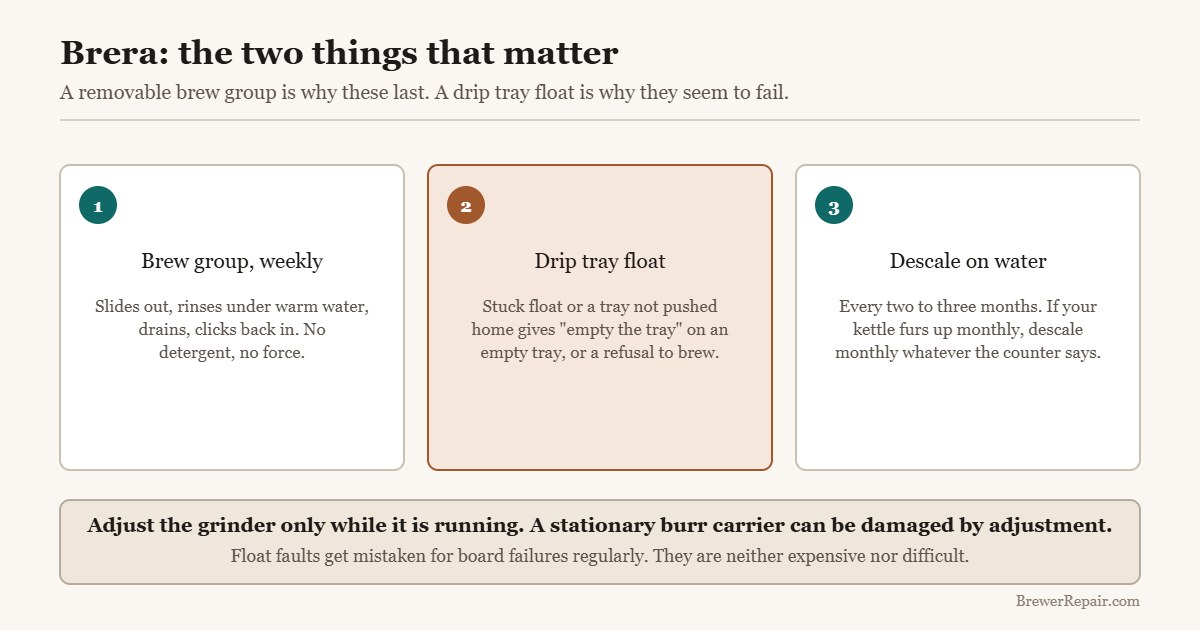
The Brera earns its reputation because the brew group comes out. That single design decision is what separates machines that last a decade from machines that get thrown away at three years, and it puts the maintenance in your hands rather than a service centre’s.
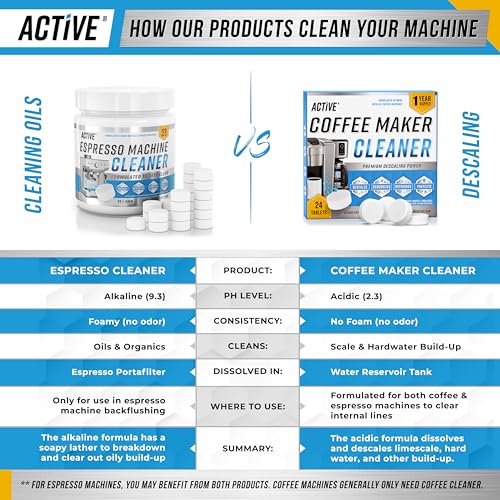
Descaler for a Brera:
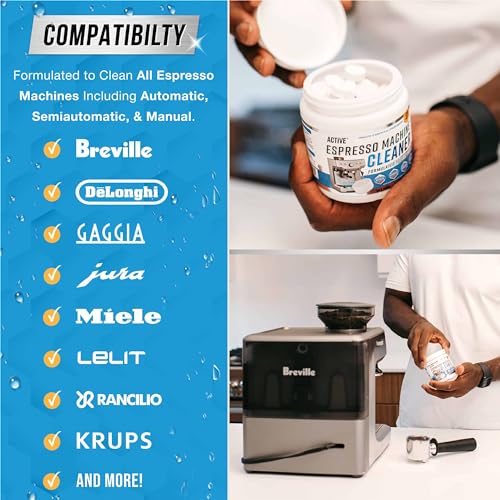
Prime ACTIVE Espresso Machine Cleaning Tablets Descaling - 120 Tabs | Compatible with Breville Barista Express, Gaggia, Delonghi, Jura, Philips | Expresso Maker Backflush Oil Remover Solution Clean Tablet






As an Amazon Associate we earn from qualifying purchases. Product prices and availability are accurate as of the date/time indicated.
Weekly: the brew group
- Switch off, open the service door, and press the release to slide the brew group out.
- Rinse under warm running water. No detergent – soap residue taints coffee and is hard to purge from the seals.
- Check the upper filter screen for packed grounds and clear it with a soft brush.
- Let it drain fully, then refit until it clicks. It only goes in one way and it should not need force.
- Wipe out the compartment and empty the grounds drawer while the group is out.
Every month or two, a thin film of food-safe silicone grease on the brew group rails. Rails only.
The drip tray sensor and false alarms
The Brera uses a float in the drip tray and a contact that tells the machine the tray is present. Two nuisance faults come from it:
- “Empty drip tray” when it is already empty – the float is stuck or the tray is not pushed fully home. Remove it, wash it, dry it, refit firmly.
- Machine refusing to brew – the tray contact is not registering. Same fix, and check the contact area is dry.
These get mistaken for board faults regularly, and they are neither expensive nor difficult.
Descaling
Every two to three months, or when the machine asks. Use a descaler made for super-automatics, remove the water filter first, and have a container of at least a litre ready. Do not interrupt the cycle – an interrupted descale leaves the alert lit and the machine part way through its counter.
Avoid vinegar. There is more plastic and more sealing in this circuit than in a simple espresso machine, and the residual smell survives several rinse tanks.
The grinder
The Brera has a ceramic burr grinder, which does not need the attention steel burrs do, but the chute does. If the machine starts producing weak coffee at an unchanged setting, brush the chute out with the brew group removed before adjusting anything. Adjust the grind only with the grinder running, or you risk damaging the burr carrier.
Water matters more than schedule
On hard water the descale interval shortens regardless of what the counter says. If your kettle furs up in a month, treat that as your descale interval too – the machines share the same water.
Why a removable brew group changes everything
Most super-automatics in this price range seal the brew group inside the machine. When it eventually seizes — and they all seize if never cleaned — the repair means a service centre stripping the machine, which usually costs more than the machine is worth.
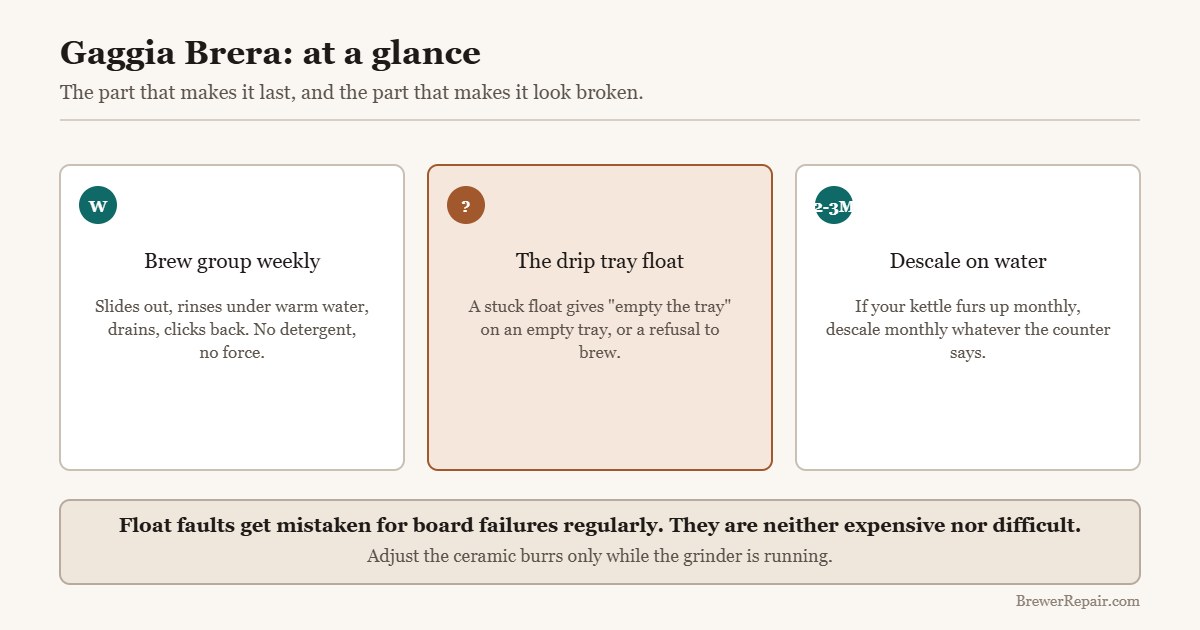
The Brera’s group slides out through the service door in about five seconds. That single design decision is why these machines are still running a decade later in households that do the weekly rinse, and why they die at three or four years in households that do not.
The weekly rinse, properly
- Switch the machine off and open the service door.
- Press the release and slide the group out.
- Rinse under warm running water. No detergent — residue in the seals taints coffee for weeks.
- Check the upper filter screen. Packed fines there are the usual cause of weak coffee at an unchanged setting; clear them with a soft brush.
- Let it drain and dry, then slide it back until it clicks. It goes in one way only and should never need force.
- Wipe the compartment and empty the grounds drawer while the group is out.
Every month or two, a thin film of food-safe silicone grease on the rails. Rails only.
The drip tray float, and the faults it fakes
A float in the drip tray rises as it fills, and a contact tells the machine the tray is present and not full. Two nuisance faults come from it, and both get mistaken for electronics:
- “Empty the drip tray” on an empty tray — the float is stuck with coffee residue, or the tray is not pushed fully home.
- Machine refuses to brew at all — the tray contact is not registering. Same causes.
Remove the tray, wash it, work the float until it moves freely, dry the contact area and refit firmly. This costs nothing and resolves the majority of “the board has failed” reports on this machine.
Ceramic burrs, and the one rule
The Brera grinds with ceramic burrs, which hold their edge far longer than steel and do not rust. They are also more brittle. Adjust the grind only while the grinder is running — turning the adjustment on a stationary burr set forces ceramic against trapped grounds, and that is how carriers crack.
Descale on your water, not the counter
Every two to three months is the default. The counter measures brews, not minerals. If your kettle furs up within a month, descale monthly regardless of what the machine says, and use a descaler made for super-automatics rather than vinegar — there is more plastic and more sealing in this circuit than in a simple espresso machine.
Related on BrewerRepair: Descaling a Gaggia Classic and Descaling a De’Longhi Dinamica and Descaling a De’Longhi Magnifica Evo.
Descaler for a Brera
Made for super-automatics, and gentler on the seals than vinegar.

De'Longhi EcoDecalk Universal Descaler, for Coffee Machines 16.90 oz
Common questions
My Brera says empty the drip tray but it is empty. Why?
The float is stuck or the tray is not pushed fully home. Wash it, dry it, refit firmly.
Can I use detergent on the brew group?
No. Soap residue taints coffee for weeks and is very hard to purge from the seals.
How often should a Brera be descaled?
Every two to three months, sooner on hard water regardless of what the counter says.
When should I adjust the grinder?
Only while it is running. Adjusting a stationary burr carrier risks damaging it.